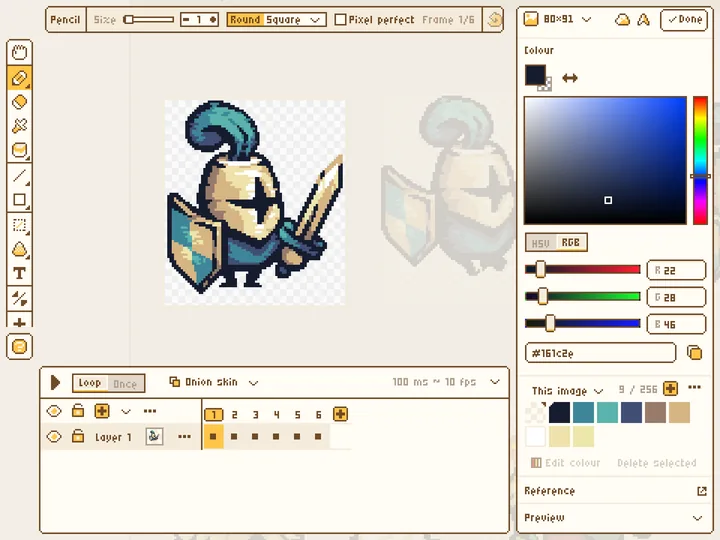
256×144 grid · pixel art
About this pattern
This is a 256×144 pixel art pattern using 128 colors and 36864 beads. Difficulty is advanced and a typical project takes about 932 minutes including ironing. Open it in the maker to remix the palette across Perler, Hama, Artkal, or convert into a cross-stitch / pixel-art / LEGO grid.
Pattern stats
- Grid size
- 256×144
- Total beads
- 36864
- Colors
- 128
- Difficulty
- Advanced
- Time
- ~932 min
- Pegboard
- extended (tile multiple 50×50 boards)
Supplies
You’ll need 36864 beads across 128 colors, plus a pegboard, parchment paper, and a household iron.
- Pegboard (extended (tile multiple 50×50 boards))
- Iron + parchment / ironing paper
- 3260 × Very Dark Muted Blue
- 1641 × Gray
- 1499 × Dim Gray
- 1380 × Muted Cyan
- 1368 × Medium Gray
- 1324 × Off White
- 1229 × White
- 1220 × Dark Muted Blue
- 1188 × Dark Charcoal
- 1106 × Silver Gray
- 936 × Very Dark Blue
- 916 × Very Dark Muted Blue
- 804 × Dark Gray
- 761 × Dark Muted Cyan
- 706 × Light Cyan
- 689 × Light Gray
- 577 × Light Muted Blue
- 521 × Dark Cyan
- 477 × Light Muted Cyan
- 471 × Dark Muted Teal
- 470 × Pale Gray
- 455 × Very Dark Cyan
- 446 × Near White
- 431 × Muted Blue
- 393 × Muted Orange
- 319 × Light Muted Orange
- 312 × Light Orange
- 310 × Mist Gray
- 310 × Very Light Muted Blue
- 297 × Black
- 290 × Light Muted Blue
- 287 × Charcoal
- 280 × Muted Teal
- 268 × Very Light Muted Yellow
- 263 × Light Muted Yellow
- 244 × Very Light Muted Blue
- 239 × Very Light Muted Teal
- 222 × Very Light Blue
- 220 × Very Dark Gray
- 220 × Very Dark Muted Green
- 217 × Very Dark Muted Cyan
- 213 × Dark Muted Teal
- 208 × Cyan
- 208 × Light Silver
- 206 × Very Light Cyan
- 199 × Muted Yellow
- 196 × Muted Yellow Green
- 188 × Very Light Muted Orange
- 183 × Very Light Muted Cyan
- 180 × Dark Muted Green
- 163 × Muted Orange
- 154 × Muted Red
- 151 × Dark Muted Orange
- 149 × Very Light Muted Yellow Green
- 143 × Light Blue
- 140 × Light Muted Green
- 137 × Light Muted Orange
- 136 × Light Orange
- 135 × Light Orange
- 134 × Dark Muted Red
- 133 × Dark Muted Yellow
- 130 × Very Dark Muted Red
- 128 × Dark Muted Yellow Green
- 127 × Very Light Orange
- 124 × Light Muted Teal
- 120 × Muted Teal
- 119 × Light Muted Orange
- 119 × Very Dark Muted Teal
- 116 × Dark Muted Rose
- 115 × Light Green
- 115 × Muted Green
- 114 × Dark Muted Green
- 113 × Very Light Blue
- 110 × Very Light Muted Purple
- 109 × Very Light Muted Green
- 107 × Very Light Teal
- 105 × Very Dark Muted Purple
- 96 × Light Muted Red
- 96 × Muted Green
- 91 × Muted Magenta
- 91 × Very Light Muted Orange
- 88 × Dark Muted Magenta
- 88 × Dark Orange
- 85 × Dark Muted Orange
- 85 × Dark Yellow
- 84 × Dark Muted Blue
- 80 × Dark Muted Green
- 80 × Very Light Muted Blue
- 79 × Muted Green
- 79 × Very Dark Muted Teal
- 77 × Very Dark Muted Orange
- 75 × Very Light Muted Orange
- 74 × Muted Green
- 71 × Muted Purple
- 67 × Dark Muted Red
- 67 × Very Light Muted Green
- 66 × Very Light Green
- 64 × Dark Blue
- 64 × Dark Muted Rose
- 62 × Very Dark Red
- 60 × Very Dark Muted Yellow
- 60 × Very Light Muted Red
- 55 × Light Muted Teal
- 55 × Light Red
- 54 × Light Muted Blue
- 54 × Very Light Orange
- 54 × Very Light Yellow Green
- 53 × Light Muted Red
- 53 × Very Dark Teal
- 53 × Very Light Orange
- 52 × Dark Muted Magenta
- 52 × Light Muted Purple
- 51 × Muted Rose
- 45 × Light Muted Green
- 44 × Dark Orange
- 43 × Light Muted Yellow Green
- 42 × Muted Orange
- 42 × Very Light Muted Green
- 37 × Very Light Red
- 36 × Very Light Muted Green
- 34 × Light Red
- 34 × Very Dark Muted Green
- 32 × Light Muted Green
- 32 × Very Light Muted Teal
- 31 × Dark Muted Purple
- 31 × Muted Red
- 28 × Dark Muted Purple
How to make this pattern
- Lay the pegboard flat and gather the bead colors listed above. A small bowl per color speeds placement.
- Place each bead on the pegboard following the chart — work row-by-row so you don’t lose your spot.
- Cover the finished design with a sheet of parchment or ironing paper, fully flat against the beads.
- Iron on medium heat (about 350°F / 175°C) for 10–15 seconds, moving in slow circles until beads fuse evenly.
- Let the piece cool fully — about 1 minute — then peel off the parchment.
- For a stronger fuse, flip the piece and iron the back side the same way. This is what we call double-sided ironing.
Tips
- Always use parchment paper. Direct iron contact warps individual beads and destroys the grid spacing.
- Keep the iron moving in slow circles. Pressing in one spot creates flat dimples in the finished piece.
- Pop the cooled piece in the freezer for 30 seconds before peeling parchment — it releases cleaner that way.
FAQ
How many beads do I need for the Animation versus title screen pattern?
You need 36864 beads total. The breakdown by color is: 3260 very dark muted blue, 1641 gray, 1499 dim gray, 1380 muted cyan, 1368 medium gray, 1324 off white. Stocking 10–20% extra of each color is a safe margin in case any beads are off-color or get crushed during ironing.
What size pegboard do I need?
A extended (tile multiple 50×50 boards) pegboard fits the 256×144 grid. The standard 29×29 Perler / Hama / Artkal square pegboard is the most common size and covers everything up to 29 cells across.
How long does it take to make?
Plan for about 932 minutes total — roughly 922 minutes placing the beads and another 10 minutes for ironing and cooling. Beginners may need 1.5× that on their first few patterns.
Can I use Hama or Artkal beads instead of Perler?
Yes. The colors used in this pattern map cleanly to Hama Midi, Artkal S, and Nabbi palettes. Open the design in the maker, switch the palette in the toolbar, then export the swapped chart before you start ironing.
Is this a beginner-friendly pattern?
This pattern is rated advanced based on grid size and color count. Beginner patterns are under 200 beads and 5 colors; intermediate is up to 600 beads and 10 colors; everything else is advanced.